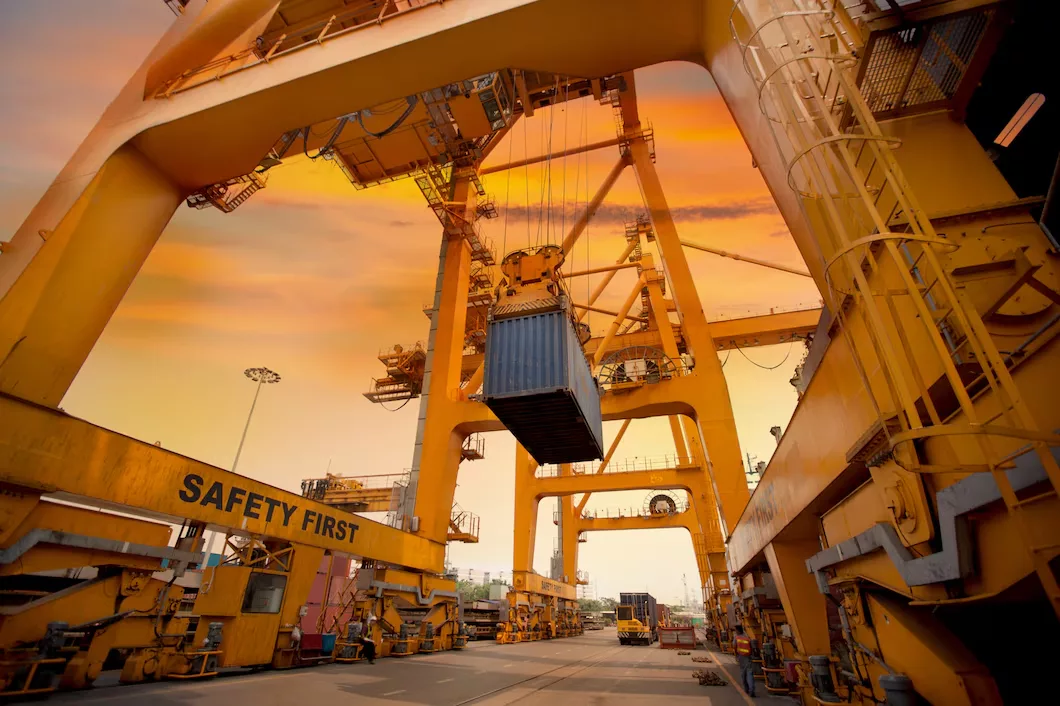
This month’s report highlights key tariff adjustments and supply chain shifts amid ongoing trade tensions, with a focus on import surges, diversification efforts, and policy changes affecting US importers. Overall, container volumes spiked due to pre-tariff front-loading, but no major port disruptions occurred.
Tariff & Trade Policy Developments
- Adjustment on Timber and Lumber Imports On December 31, President Trump issued a fact sheet adjusting imports of timber, lumber, and derivative products into the United States to support domestic industries.→ This could increase duties or restrictions on wood-related goods, impacting construction and furniture importers; review HTS codes for affected items and consider domestic sourcing alternatives.
- Ongoing Steel and Aluminum Tariff Impacts While no new US tariff hikes were announced in December, the existing 50% duties on steel and aluminum imports continued to drive cost pressures, with reports of doubled rates causing uncertainty for manufacturers.→ Importers of metal products should monitor for potential expansions, as these tariffs have already prompted supply chain rerouting.
No broad new tariff escalations targeted at major trading partners were enacted during the month, though year-end reviews hinted at 2026 risks.
Supply Chain & Freight Developments
- Import Volumes Surged Ahead of Tariffs Throughout 2025, including December, US importers rushed cargo to beat anticipated duties, leading to record volumes at major ports and a 38% rise in global supply chain disruptions. Year-to-date US imports reached nearly $2.1 trillion through July, but December data showed a 28% drop in China-origin shipments as diversification accelerated.
- Shift to Alternative Suppliers On December 17, UPS reported a 91% year-over-year increase in US imports from Taiwan and 80% from Vietnam, particularly in high-tech and electronics, as importers pivoted from China amid tariff pressures.→ This trend offers opportunities for cost savings but requires vetting new suppliers for compliance and reliability.
- Industry Reports Highlight Resilience and Risks The Colliers Supply Chain Solutions report on December 2 provided insights into logistics trends, noting stabilizing chains despite uncertainties. A December 16 customs newsletter summarized trade updates, while a December 30 logistics bulletin emphasized monitoring tariff exposure for importers. A December 15 analysis projected ongoing balance in US supply chains but warned of 2026 tariff shocks.
With 2025 wrapping up on a note of adaptation, importers should prioritize diversification and audit entries for potential adjustments. Reach out for tailored advice on shifting routes or classifications.