This report covers key tariff threats and reductions in October 2025, alongside flat import volumes amid trade uncertainty. Supply chains faced potential disruptions from government shutdown risks but avoided major halts, with a focus on adapting to new duties.
Tariff & Trade Policy Developments
- Threatened Tariff Hike on Canada: On October 25, President Trump threatened an additional 10% “fentanyl” tariff on Canada, potentially raising it to 20-35%. This built on existing 25% rates, affecting non-USMCA goods. → Cross-border importers: Verify USMCA qualifications to avoid duties; prepare contingency plans for escalation.
- US-China Tariff Reduction Agreement: A new deal reduced the IEEPA “fentanyl” tariff on Chinese imports from 20% to 10%, easing pressures. This temporary cut could extend, impacting growth prospects. → China-dependent importers gain cost relief; review contracts for long-term stability.
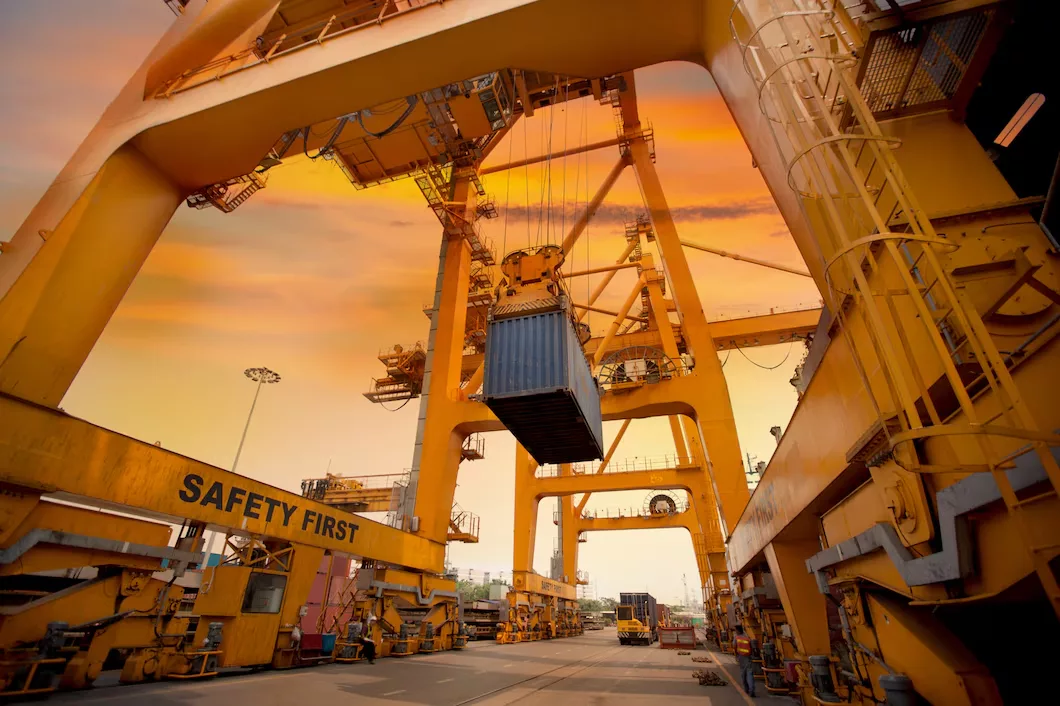
- Tariffs on Ship-to-Shore Cranes: USTR imposed duties following an investigation into China’s logistics sector, targeting port equipment.→ Infrastructure importers: Seek alternative suppliers; anticipate higher port operation costs passing to freight.
- Tariff-Driven Price Impacts: Tariffs explained 10.9% of PCE inflation over the prior 12 months, with categories like furniture and auto parts seeing largest increases.→ Consumer goods importers: Factor in pass-through effects; use hedging tools for pricing.
- Pause Extensions and Country Adjustments: Tariffs on Chinese imports were paused, with country-specific rates like Mexico at 25% for most goods.→ Audit HTS codes for eligibility; nearshoring to lower-tariff countries recommended.
Supply Chain & Freight Developments
- Flat Container Imports: October volumes held at 2.3 million TEUs, down 0.1% MoM and 7.5% YoY, with China down 16.3%. Uncertainty from tariffs slowed seasonal ramps. → Importers: Adjust forecasts downward; secure space early for peak needs.
- Front-Loading Continued: Shippers stockpiled ahead of tariffs, contributing to waves of cargo activity throughout 2025. Overall imports from China fell 17% for the year.→ Build buffer stocks strategically; monitor congestion at key ports.
- New Port Fees and Tariffs: From October 14, additional fees on Chinese vessels added headwinds, increasing costs by 20-30% on some routes.→ Diversify routes; calculate total landed costs including fees.
- Forced Labor Enforcement Expansion: Five new high-priority sectors (e.g., copper, steel) were added, intensifying UFLPA scrutiny.→ Compliance audits essential; source mapping tools can help avoid detentions.
- Inflection Point in Activity: Supply chains shifted post-IEEPA and Section 232 tariffs, with risks from shutdown threats but overall resilience.→ Focus on agility; invest in digital tracking for real-time adjustments.
October highlighted adaptation amid threats, urging importers to enhance risk mitigation. Reach out for tariff audit support or chain optimization.